Appointment booking system for coaches, what’s that?
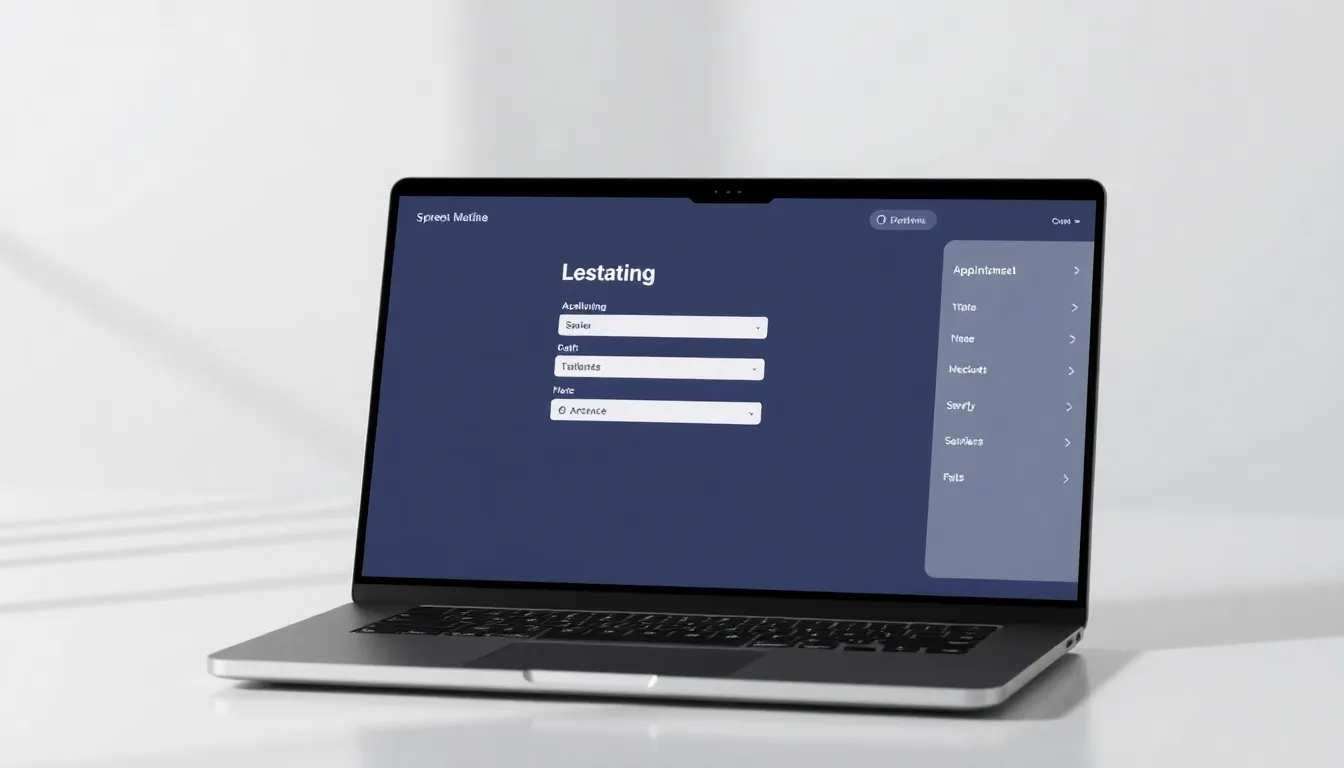
An appointment booking system for coaches is the front door to your practice. It lets clients see available times, book sessions, reschedule, and pay with minimal friction. The goal is to remove the back-and-forth that drags on your calendar and creates gaps in revenue. With a solid system, a client can compare 1:1 and group options, reserve a slot, and receive confirmations and reminders automatically. The payoff isn’t just convenience—it’s a more predictable schedule, fewer double bookings, and a more professional first impression.
What to expect from a good setup: self‑scheduling, calendar sync across platforms, reminder nudges, and easy payments. When these elements align with your coaching model (whether you run daily 1:1 sessions or weekly group programs), you free up time for actual coaching while still guiding clients smoothly from interest to enrollment. Not all tools deliver the same experience, so you’ll want to evaluate core capabilities and how they map to your programs.
In the next section, we’ll explore why choosing an effective booking system matters for efficiency and revenue, and how the right setup can help you convert more inquiries into booked sessions.
Why choose an effective booking system?
A well-chosen booking system does more than capture appointments. It standardizes intake, automates reminders, supports group coaching, and connects with payment processors so you can collect fees at signup. The result is fewer no-shows, steadier cash flow, and a calmer inbox. A strong system also scales with your practice—add new coaching paths, bundle sessions, and integrate with your calendar, CRM, or email tools without re-entering data.
Choosing the right setup matters because it directly shapes your client experience and your time management. When clients see clear steps to book, receive timely reminders, and move smoothly into your programs, trust grows and enrollment improves. In the sections that follow, you’ll find feature checklists, practical setup steps, and quick wins you can implement today to turn inquiries into consistent coaching sessions.
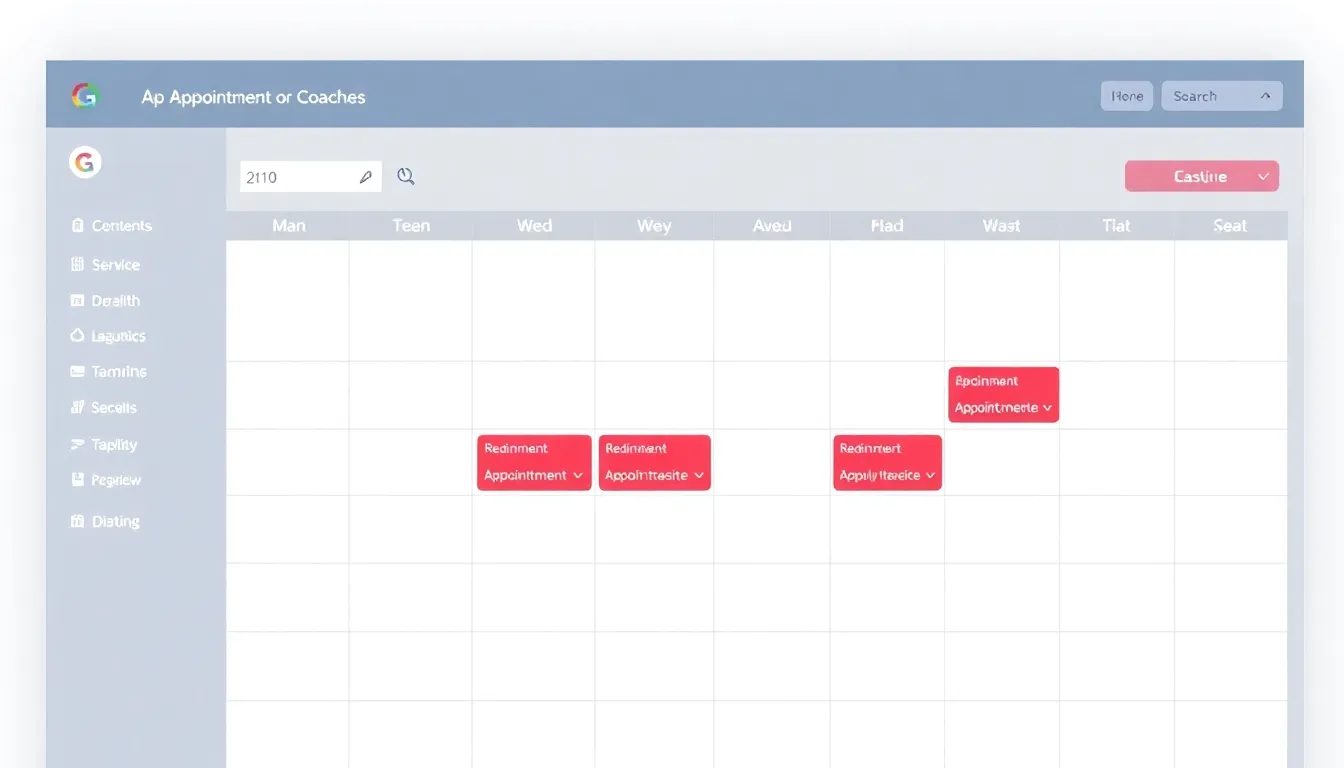
Essential features of appointment booking system for coaches
Core Features
1. Self-service scheduling
Clients pick open slots from a real-time calendar.
Example: Mindset coach Priya switched from email requests to self-booking; same-day bookings rose 42 %.
2. Group session support
Set capacity, sell bundles, and auto-close when full.
3. Payment on reserve
Stripe or PayPal integration collects fees at booking.
Result: fewer no-shows and cash in your account before the session starts.
4. Buffer & travel time
Add 15 min gaps between calls so you’re not sprinting from Zoom to Zoom.
5. Cancellation guard
Accept reschedules but charge a small fee inside your policy window.
6. Time-zone intelligence
System shows the client their local time—no mental math, no missed calls.
Quick checklist:
✅ Public booking page
✅ Deposit or full payment
✅ Automatic confirmation email
External benchmark: Calendly’s 2023 scheduling report shows self-service booking cuts admin time by 38 %.
Importance of automation
Automation is the quiet assistant that never sleeps. Once a slot is booked, the system:
-
- Sends a confirmation.
-
- Drops the event into Google Calendar.
-
- Texts a 24-hour reminder.
-
- Emails a 1-hour reminder with the Zoom link.
-
- Tags “show” or “no-show” in your CRM for future nurture.
Scenario: Executive coach Luis enabled reminder automation. Overnight, no-shows fell from 18 % to 5 %, adding back six billable hours a month.
Automation also powers wait-listing. If someone cancels, the first wait-listed client gets an instant text: “Slot open at 3 pm—claim here.” Slots refill without you lifting a finger.
External proof: Zendesk finds automated reminders raise attendance by 26 %.
Integration capabilities
A standalone scheduler is helpful; a connected one is profitable. Look for native or Zapier links to:
-
- CRMs (HubSpot, Pipedrive) – auto-create deals.
-
- Email tools (ConvertKit, MailerLite) – trigger post-session nurture.
-
- Video platforms (Zoom, Google Meet) – generate unique links.
-
- Payment gateways (Stripe, Square) – auto-split deposits and coaching tax.
-
- Analytics (Google Sheets, Airtable) – log revenue per session.
Internal tip: If you want to see AI routing in action, read our breakdown of an AI receptionist for real-estate agents—the same call-flow logic applies to coaching.
Example stack:
-
- Acuity Scheduling (calendar).
-
- Stripe (payments).
-
- HubSpot (CRM).
- ConvertKit (email) via Zapier.
Result: When a client books, HubSpot creates a deal worth $1,200, ConvertKit adds them to a “booked” sequence, and Stripe collects a 50 % deposit. All within 30 seconds.
External resource: HubSpot’s guide to calendar integration
Takeaway: The right appointment booking system for coaches isn’t a calendar add-on—it’s the engine that drives consistent revenue, fewer no-shows, and seamless client experiences.
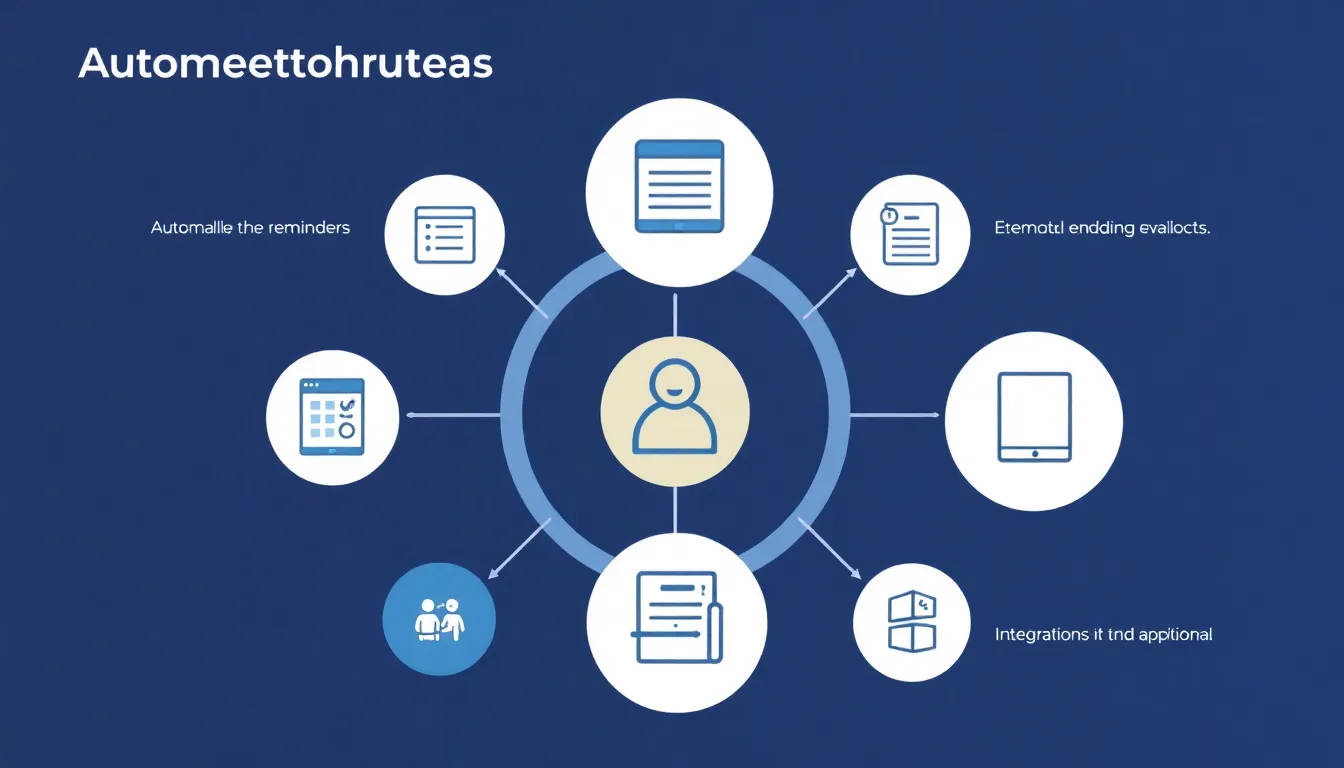
Ending for Appointment Booking System
What questions should coaches ask about their booking system?
Choosing an appointment booking system for coaches isn’t just about a prettier calendar. It’s about how smoothly clients move from initial interest to their first session—and how reliably you get paid for it. Start by asking whether the system covers core scheduling, reminders, and payments in one place, and whether it fits your coaching model (1:1, group programs, workshops). Ask if it scales with your practice, supports time-zone differences, and reduces back-and-forth without sacrificing you or your clients’ privacy. A thoughtful system should feel invisible to clients—clear, fast, and dependable.
Key feature considerations and action items:
-
- Core capabilities: self-service scheduling, calendar sync, automated reminders, and secure payments. Action item: map your typical client journey and confirm the system supports each step.
-
- Automation: reminders, follow-ups, waitlists, and simple rebooking flows. Action item: set up a 3–step nurture sequence post-booking.
-
- Integrations: connect with your CRM, email tools, and video platforms; ensure smooth data flow. Action item: list your essential tools and verify available connectors.
-
- User experience: straightforward booking pages, clear pricing paths, and mobile friendliness. Action item: run a 5-person test with diverse devices.
-
- Revenue controls: deposits, cancellation policies, and refunds. Action item: define policies and test deposit triggers.
-
- Security and compliance: data safeguards and payment compliance. Action item: review vendor privacy and security docs.
-
- ROI tracking: measure booked sessions, no-shows, and revenue impact. Action item: set up a simple dashboard to monitor 60–90 days of data.
If you want a practical frame, explore real-world patterns in related fields, like AI-enabled scheduling and real-time routing, to see how automation scales. For example, our note on AI-driven arrangements shows how automation improves reliability and speed—worth considering as you compare options. External perspectives: Calendly’s scheduling trends, Zendesk’s automation benefits, and HubSpot’s calendar integrations offer helpful benchmarks. Internally, you can also review the AI receptionist for real-estate agents to see cross-industry patterns that apply to coaching. See examples here: Calendly scheduling trends, Zendesk AI benefits, HubSpot calendar integration, AI receptionist for real-estate agents.
Next steps or resource checklist:
-
- Use a 14-day test drive to compare 2–3 systems side by side.
-
- Create a simple 3-path booking flow: 1:1, group, and discovery session.
-
- Prepare a 3-message post-booking follow-up sequence.
- Log first 20 bookings in a shared view and review for friction points.
FAQ for appointment booking system for coaches
How can an appointment booking system for coaches impact revenue?
It turns inquiry into booked sessions faster and reduces no-shows. When clients see a clear path to book, pay, and start, you capture more opportunities and keep your calendar full. Over time, automation frees up time you’d otherwise spend on admin, letting you focus on coaching and growth.
Which features matter most for coaches?
Self-scheduling, group-session support, deposits or full payments, and reliable reminders top the list. Time-zone handling and easy calendar integration matter too. The goal is a frictionless client journey from interest to enrollment, with data flowing into your CRM for nurturing.
How important are CRM integrations?
Very. A strong integration turns a booking into a managed client journey—CRM deals, follow-up emails, and post-session analytics all align. Without integration, you risk silos and lost opportunities.
How should follow-up flows be set up?
Start with a welcome thank-you, then a reminder before the session, and a post-session check-in that nudges for feedback or the next booking. Keep messages concise, personalized, and tied to the client’s goals. Monitor which messages convert best and adjust monthly.
What’s a quick test to validate a booking system?
Run a 2-week pilot with 5–10 clients, track booked sessions, no-show rates, and revenue per week. Compare to your previous period, and adjust deposits, reminders, and follow-ups based on results.