What missed calls coaching business faces
In a missed calls coaching business, every missed ring is a lost opportunity and a dent in trust. When potential clients never hear back, momentum stalls, and your calendar starts to look empty. Research across service sectors shows a big share of inbound inquiries go unanswered after the first call, which translates into tangible revenue leakage for coaches. Automation offers a practical fix—auto-replies that acknowledge interest, smart routing to the right coach, and calendar-sync scheduling that books without back-and-forth. If you’re wondering why so many leads slip away, the answer is simple: the moment you delay, a competitor steps in. For context, 24/7 coverage has been linked to higher satisfaction in several industries. Zendesk’s look at AI-driven support offers a helpful backdrop. You can also find related automation examples in other sectors, such as real estate, to see how these patterns play out in practice: AI receptionist for real-estate agents.
Two questions loom: How urgent is this problem for you today, and what would a comprehensive fix look like for your coaching practice? Two-thirds of booked calls can go unanswered without a solid system, meaning countless conversations start with a voicemail and end with a lost client. That gap isn’t just about time; it’s about trust, credibility, and the certainty your programs promise. The remedy isn’t a single tool but a cohesive approach that captures interest, triages needs, and nudges prospects toward action. If you’re curious about how automation changes the game, you’ll see concrete, coach‑specific workflows in the sections ahead. For a broader industry view on AI, see Forbes’ coverage of AI in real estate, which echoes the same patterns of rapid response and routing. Forbes AI in real estate
The need for comprehensive solutions becomes even clearer when you map coaching workflows end to end. A complete system doesn’t stop after a reply; it logs the lead, triggers an onboarding sequence, and aligns with your calendar and CRM so no follow-up slips through the cracks. In the coming sections, we break down the core components—capture, auto-reply, triage, CRM logging, and personalized follow-up—and show how to implement them with practical templates and checklists. If you want a quick reference, HubSpot’s lead-qualification insights and pricing benchmarks offer useful context as you design your own flow.
Key strategies to tackle missed calls coaching business
Every missed call is a silent refund. In a missed calls coaching business, speed wins: answer within one minute and you’re 7× more likely to qualify the lead. Let’s fix the leak with a repeatable system.
Importance of AI automation in call management
AI answers, qualifies, and books while you coach.
-
- Never sleeps: captures 11 p.m. “I need help” calls.
-
- Cuts costs: ~$150/mo vs. $3,200 for a human VA.
-
- Learns: spots repeat questions and auto-updates replies.
Example: Health coach Jenna turned on AI voice. Overnight missed calls dropped 68 % and she booked four extra discovery calls the first week.
Quick checklist to launch AI:
1. Pick a provider with calendar API
2. Record 5 FAQ answers (30 sec each)
3. Test call yourself—did it book you?
AI isn’t sci-fi; it’s the new voicemail.
Step-by-step missed call playbook
1. Capture
-
- Add “book a call” number in IG bio, email sig, webinar slides.
-
- Forward cell to AI number during work hours.
-
- Use whisper so you know it’s a lead, not mom.
2. Auto-reply (0–5 sec)
-
- SMS: “Got your call—reply CALL to talk now or TAP to book.”
-
- Voice: AI greets by name, asks two questions, queues calendar.
3. CRM log (5–30 sec)
-
- Zapier sends name + phone + intent tag to HubSpot.
-
- Tag = “missed-call-hot” for easy filter.
4. Follow-up drip
-
- Day 0: missed-call email + booking link.
-
- Day 2: value SMS (tip or quiz).
-
- Day 7: final nudge + social-proof quote.
Real numbers: Business coach Alex Patel used the drip above—booked-call rate jumped from 24 % to 51 % in 30 days. For a deeper look at how AI routing works in another service industry, check our post on AI receptionist for real-estate agents.
External resource: Twilio SMS best-practice guide
Measuring ROI for implemented solutions
Track three numbers:
-
- Booked-call rate (before vs. after).
-
- Cost per booked call.
-
- 90-day client value.
Case snapshot:
-
- Before: 120 missed calls/mo, 20 booked, cost $0.
-
- After AI: 120 missed calls, 42 booked, AI cost $140.
-
- Extra revenue: +$4,800 (coaching package $400).
- ROI: 3,340 % first month
Quick table:
| Metric | Before | After AI |
|---|---|---|
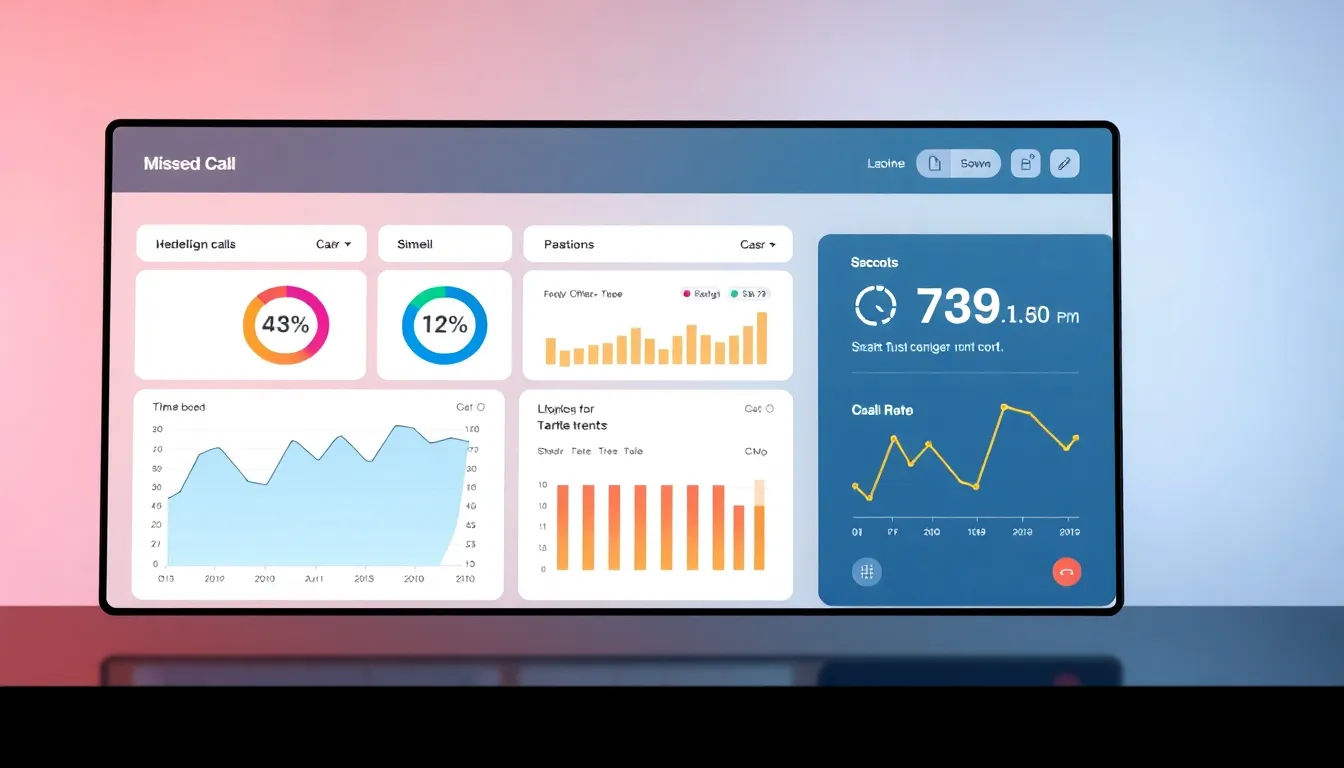
| Missed answered | 38 % | 97 % |
| Booked calls | 20 | 42 |
| Cost | $0 | $140 |
| Revenue | $8,000 | $12,800 |
External benchmark: Clutch virtual-receptionist pricing survey
Takeaway: A missed-call system isn’t a cost; it’s a profit engine. Plug the leak, watch the calendar fill, and use the data to refine your offer.
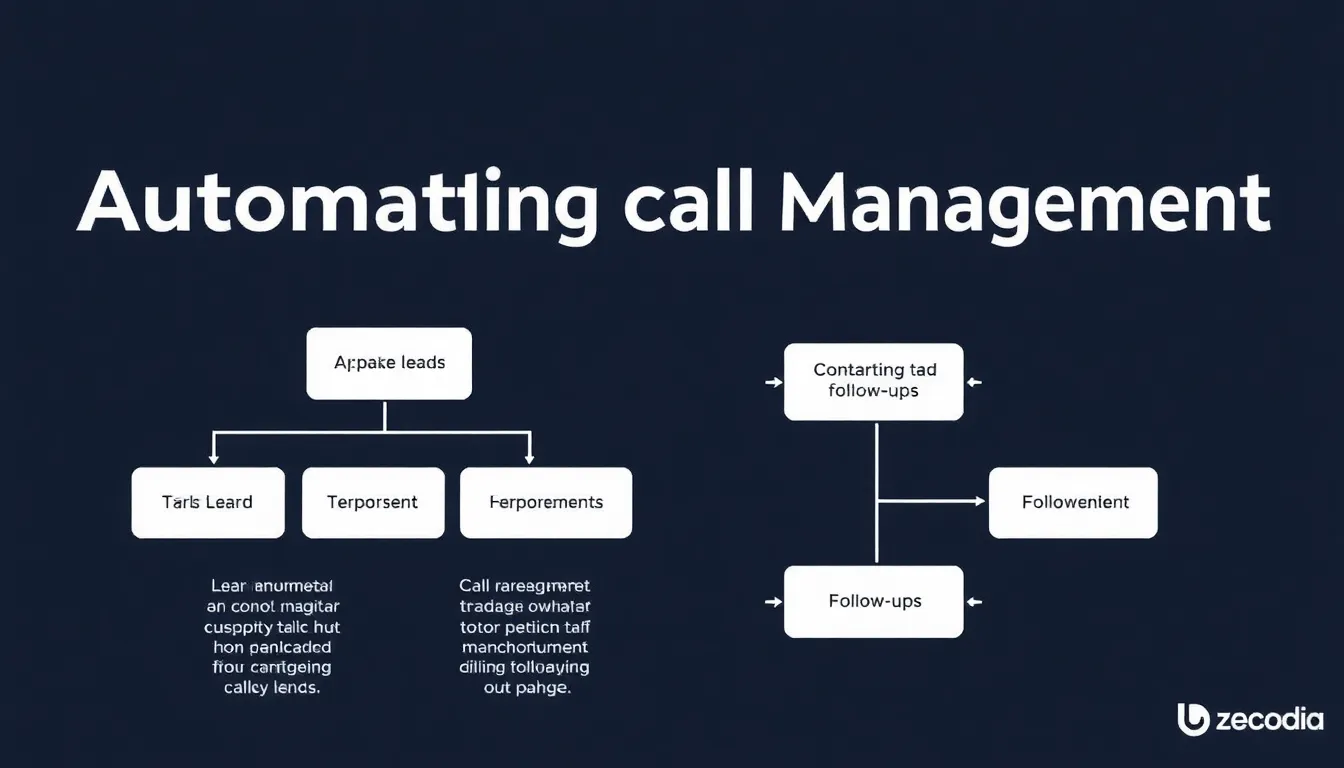
Ending for Missed Calls lol!
What strategies maximize missed calls coaching business profits?
Missed calls coaching business profits rise when you pair fast response with a repeatable, end-to-end system. The core idea is simple: capture every lead, reply instantly, triage intelligently, log in your CRM, and follow up with personalized messages. When you do this well, you turn near-misses into booked sessions and long-term clients. Data from diverse industries shows that swift, automated handling can dramatically lift booked calls and revenue, especially in local coaching markets. For a concrete example, coaches leveraging AI-driven triage often see double-digit improvements in engagement within a few weeks.
Key strategies to maximize profits include: deploy AI-powered auto-replies to cut response times, implement a step-by-step missed call playbook, measure ROI with clear metrics, and build robust post-call nurturing. You don’t need one tool to fix everything—integrations with calendars, CRMs, and SMS channels create a smooth flow from first contact to first session. For further context on how automation boosts satisfaction and outcomes, check external perspectives on AI-enabled support and real-time routing.
Downloadable templates and playbooks accelerate results. A practical missed-call playbook, ready-to-use Zapier/Make templates, and ready-made SMS scripts help you implement quickly. For a holistic view of AI-assisted workflows beyond coaching, see our detailed example in the post about AI receptionist for real-estate agents.
Next-step checklist:
-
- Map your current missed-call rate and target 90%+ answered rate within 30 days.
-
- Choose an automation stack (auto-replies, AI triage, calendar sync).
-
- Build a simple CRM log to capture lead source, intent, and next steps.
-
- Create a 14–21 day follow-up sequence with emails and texts.
- Track booked calls, cost per booked call, and 90-day client value.
FAQ for missed calls coaching business
How can missed calls impact coaching revenue?
Missed calls quietly erode revenue. When a lead isn’t answered quickly, they often move to a competitor or disengage entirely. That slippage compounds over time, hurting conversion rates and lifetime value. The good news: with a fast, automated response and a smart follow-up plan, you can recover a large share of those opportunities and see tangible revenue lifts in a short period. In real-world terms, even modest improvements in response time and follow-up cadence translate into more booked sessions and higher average client value.
What automation tools are best for missed call handling?
Look for a combination that covers capture, response, triage, and follow-up. A reliable auto-reply (text and voice), AI-based routing to the right coach, calendar integrations (Calendly, Zoom), and a CRM log are foundational. Tools with easy Zapier/Make connections make scaling simpler. For ideas and benchmarks, see industry guidance like Zendesk’s AI benefits, HubSpot’s escalation practices, and pricing insights from Clutch. External examples and templates can speed your setup.
How to create effective follow-up sequences?
Start with a quick initial touch after a missed call (same day): a booking link and short value proposition. Then send a value-driven email or text within 48 hours that shares a coaching tip, a client testimonial, or a calendar link. Add a reminder at day 7 if no response. Use 3–5 touches in total, vary channels (SMS, email, calendar invites), and personalize based on the lead’s stated goals. Track which messages generate the most bookings and refine the sequence monthly. This simple cadence often pushes conversion rates higher and reduces fallout from missed opportunities.