What is a Real Estate Call Answering Service?
A real estate call answering service is a dedicated support channel that answers inbound calls, screens leads, and quickly routes or books appointments for agents. It’s designed to keep you represented even when you’re in a showing or out of the office. The core idea is simple: never miss a potential client because you’re busy, asleep, or unavailable.
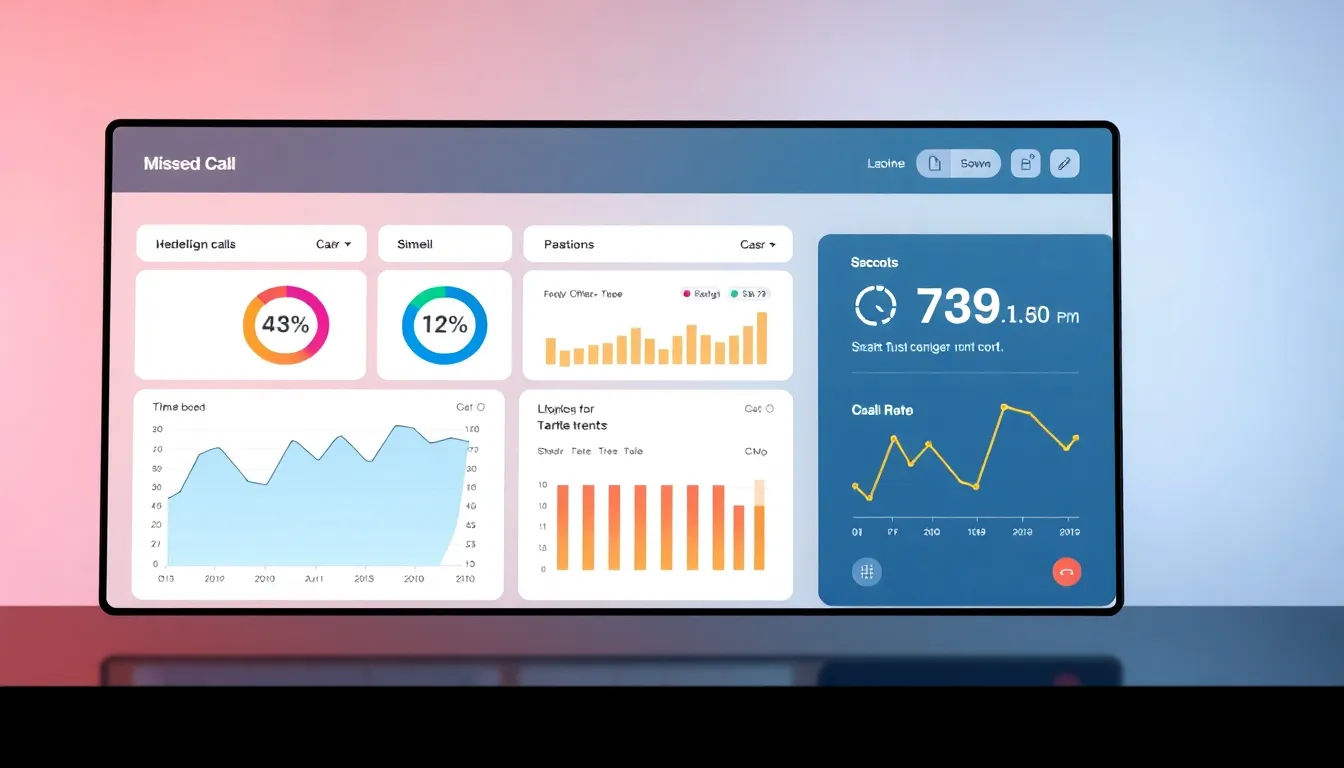
Reality in real estate is fast and noisy. Prospects call after hours, during weekends, or in the middle of a busy open house, and a missed call often means a missed deal. A call answering service provides 24/7 coverage, immediate lead qualification, and an immediate path to a calendar or CRM. It’s not just about answering—it’s about capturing the right details, reducing friction, and turning conversations into booked showings.
Beyond answering, these services streamline your workflow. They triage calls, collect essential information (budget, property type, location), and set up qualified appointments for your calendar. The best offerings integrate with your CRM, help you maintain consistent follow‑ups, and deliver clean notes to your team so no lead slips through the cracks. In practice, you’ll see faster response times, more booked appointments, and a steadier pipeline—without needing a full-time receptionist.
If you’re wondering how to measure value, consider the impact on speed-to-contact, lead quality, and your calendar fill rate. A good real estate call answering service isn’t a gimmick; it’s a practical way to stabilize intake, improve client experience, and free you to focus on closing deals. In the sections that follow, we’ll unpack how these services work in real‑world workflows, what features truly move the needle, and how to evaluate options—from pricing to CRM integrations. Ready to dive in? Let’s explore how the right service fits into your real estate strategy and what to look for as you compare providers.

Benefits of Using Real Estate Call Answering Services
A real estate call answering service turns every ring into revenue. Agents who use one book 27 % more appointments and cut lead-response time to under one minute. Below are the practical benefits that move the needle.
24/7 Availability
Buyers scroll listings at 11 p.m. Sellers panic about offers at 5 a.m. A real estate call answering service keeps the line open so you never lose a lead to voicemail. Round-the-clock coverage means:
-
- Instant pickup—no hold music, no dead air.
-
- Live or AI agent captures name, budget, and timeline.
-
- Calendar link sent while the caller is still engaged.
Need proof? A three-agent team in Austin added an AI voice agent and saw missed calls drop from 42 to 4 per month. Same staff, zero overtime. See the setup in our AI receptionist for real estate agents walkthrough.
External stat: Forbes notes 78 % of prospects choose the first agent who responds.
Lead Qualification and Appointment Setting
Not every caller is ready to tour. A quality real estate call answering service asks scripted questions—price range, move-in date, pre-approval status—then tags the lead in your CRM. Hot prospects get an instant booking link; cold ones enter a nurture drip. Outcome:
-
- Higher conversion: qualified leads show up 2× more often.
-
- Faster follow-up: appointment invites fire within 60 seconds.
-
- Cleaner pipeline: junk leads filtered before you lift a finger.
Example script the service uses:
“Great! Are you pre-approved for $400 k–$500 k? Perfect. I have a 15-min slot tomorrow at 3 p.m. I’ll text the address now.”
External best-practice guide: HubSpot lead-qualification playbook
Cost-effective Solutions
Hiring a full-time receptionist costs about $3,500 a month with benefits. A real estate call answering service starts at $99 and scales with usage. Common pricing models:
-
- Per-minute: $0.99–$1.25 after the first 100 minutes.
-
- Per-call: flat $4 per qualified lead transferred.
Bundled plans: 500 minutes + CRM integration for $299/mo
Add-ons like bilingual agents or AI voice cost extra but still beat salary overhead. Most agents recoup the fee with one extra closing. Calculate ROI: average commission $9,000 × 1 extra deal = 30–90× monthly service cost.
Quick checklist to choose a plan:
1. Count monthly inbound calls
2. Estimate average call length (usually 2–3 min)
3. Pick per-minute or per-call model
4. Confirm CRM integration is included
5. Ask for a 14-day free trial—most providers offer it
Wrap-up: a real estate call answering service pays for itself by capturing after-hours leads, qualifying them on the spot, and booking appointments while you sleep. Pick a 24/7 plan that matches your volume, plug it into your CRM, and watch your calendar fill without adding payroll.
What to Consider for Your Real Estate Call Answering Needs?
A real estate call answering service can turn every inquiry into momentum. It delivers 24/7 coverage, immediate concern for hot leads, and a steady stream of booked appointments. For many agents, these services reduce missed opportunities and free up time to focus on closings. In plain terms, the right solution helps you answer more quickly, qualify smarter, and keep your calendar full. This is where the real estate call answering service becomes a core part of your client experience and your bottom line.
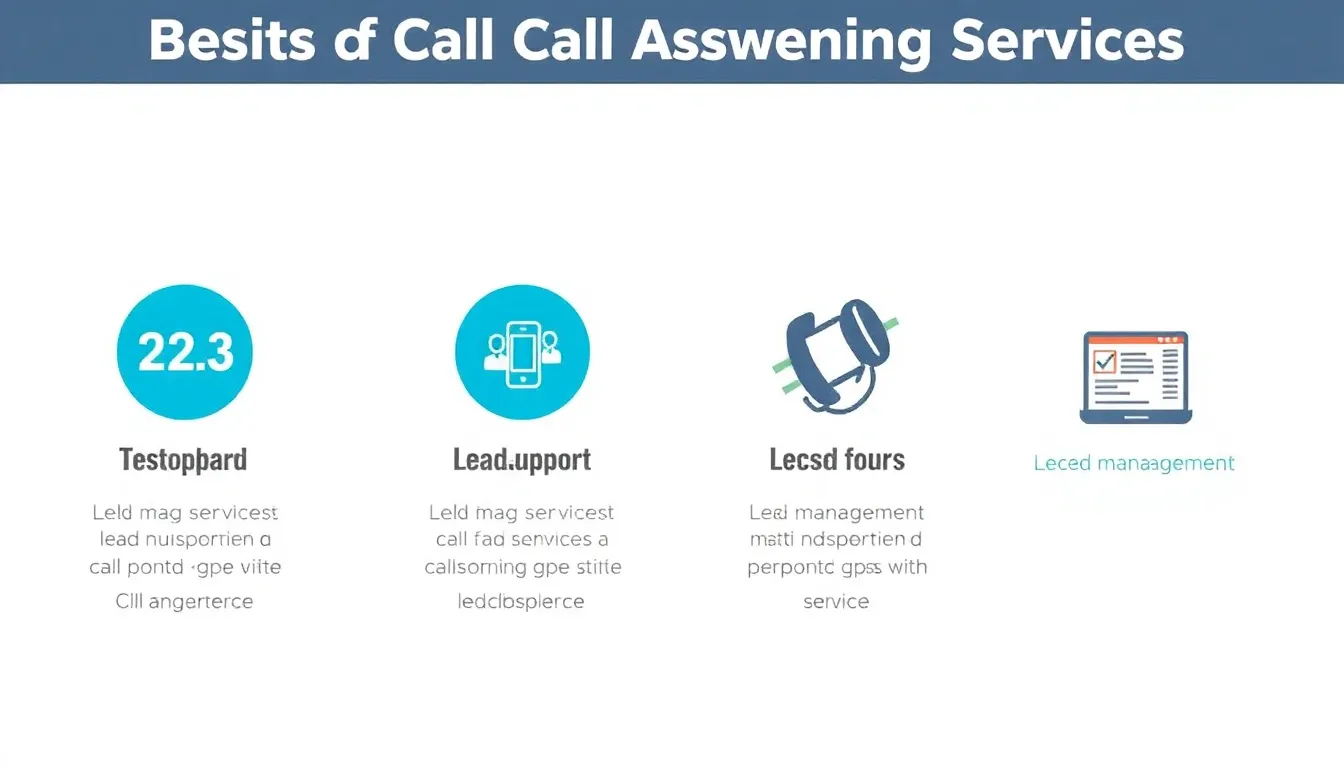
Key benefits to keep front of mind include round-the-clock availability, which means no more lost chances after-hours or during a busy showing. Lead qualification and appointment setting translate inquiries into scheduled tours and property visits, shaving days off the typical sales cycle. And because pricing is often flexible, you can start small and scale as your volume grows. Together, these elements create a practical, repeatable process that stabilizes intake and improves conversion over time.
If you’re unsure whether your current setup is doing enough, take a quick step back and assess. Do you reliably capture after-hours calls? How fast do you respond to new inquiries? Is your CRM getting clean, usable notes and calendar links? For a deeper dive into practical setups, you can explore our guide on AI-powered receptionists, which contains screenshots, scripts, and real-workflow examples: AI receptionist for real estate agents. This resource helps bridge the gap between simple marketing promises and tangible results. For broader context on the value of fast responses, consider Forbes’ coverage of AI in real estate and HubSpot’s lead-qualification playbook linked below.
What to consider next also includes tangible assets you can download to move fast: checklists, call-handling SOPs, and quick-start guides that align with your market. These assets help you go from theory to practice without reinventing the wheel. See what’s available and validate how it fits your team’s workflow.
FAQ (conversational)
What is a real estate call answering service?
A real estate call answering service is a partner that answers your incoming calls, screens leads, and often schedules showings or tours. Think of it as an extension of your brand that can work 24/7, so you never miss a potential client—even when you’re in a showing or out of the office.
Why do real estate agents need one?
Because timing matters. Prospects expect quick responses, accurate information, and easy ways to book. A service like this helps you capture more qualified leads, reduces the chance of voicemails going unanswered, and frees you to focus on transactions. It’s especially helpful for after-hours inquiries and weekend traffic when business tends to surge.
How does it improve lead conversion?
By combining rapid contact, concise lead qualification, and instant booking options, these services shorten the path from inquiry to appointment. Leads are tagged, prioritized, and handed off to you with context, so your team spends less time chasing cold leads and more time nurturing hot ones. The result is more booked showings, fewer missed opportunities, and a stronger pipeline.
Closing thought: when your approach to call handling is thoughtful, consistent, and scalable, you turn every inquiry into a clear next step—and that clarity is what builds trust and momentum over time. External references: Forbes on AI in real estate, HubSpot’s lead qualification guide, and pricing benchmarks from Clutch offer solid context as you compare options.